Prepare one editable master manuscript, a clearly named set of image files and a short project brief. You do not need to design the finished pages before asking for help.
Choose your master file
Start by deciding which document is the current version. A folder containing “final”, “final-new” and “final-approved” leaves too much room for confusion. Give the handover file a clear name, such as BookTitle_Manuscript_2026-10-15.docx, and keep a separate backup.
Read through outstanding editorial comments and tracked changes. Resolve the decisions you are ready to make; ask about anything still uncertain. Do not accept every change simply to make the document look tidy. If you need to preserve an editor’s notes, keep an annotated copy alongside the agreed clean version.
Are you still rewriting chapters or moving large sections? Complete that work first where possible. A paragraph added after layout can push text into the next page, affecting chapter endings and the contents list. If your deadline requires overlapping stages, explain that before the quote is agreed.
Make the structure clear
Your document should show what each part of the book is. Keep chapter titles, subheadings, quotations, lists and scene breaks recognisable and consistent. Word’s heading styles can help distinguish levels without manually styling every heading.
- Use a page break to begin a new chapter instead of pressing Enter repeatedly.
- Use one consistent marker for a scene break, and tell your formatter what it means.
- Keep deliberate italics, verse line breaks and other meaningful formatting.
- Flag unusual elements such as letters, exercises, sidebars or text-message conversations.
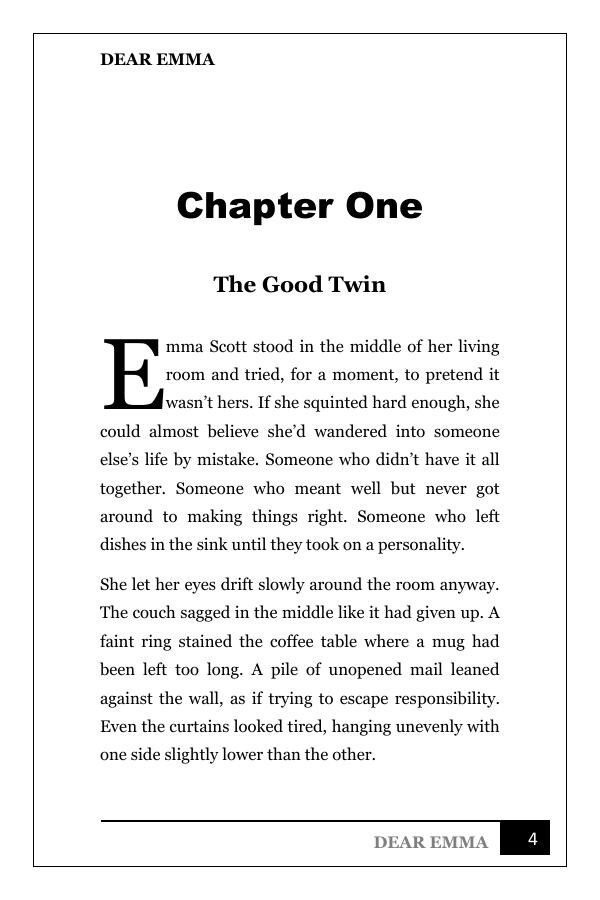
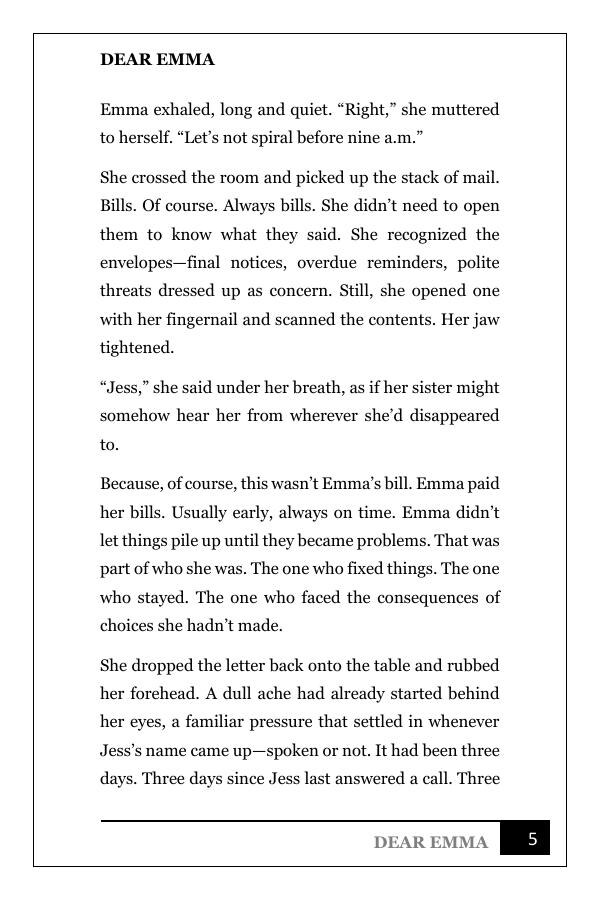
There is no need to imitate a finished paperback with tiny margins or decorative chapter headings. Send any visual preferences as references, with a sentence explaining what you like about them.
Gather the supporting material
Small missing pieces can hold up an otherwise finished book. Gather the title and subtitle, author name as it should appear, dedication, acknowledgements, author biography and any other opening or closing sections you want included. Mark unfinished items clearly rather than leaving temporary text that could be mistaken for approved copy.
For images, send the best original files you have, not only screenshots or copies pasted into a document. Use matching labels in the manuscript and image folder: for example, [Figure 03 here] and Figure_03.jpg. Supply the caption and credit wording alongside each image. Explain which images must sit beside particular text and which can move.
Keep references, footnotes and tables editable when possible. If you only have a PDF, say so at the enquiry stage so the work can be assessed accurately.
Write a useful project brief
A brief can be a few lines. Include the genre, word count, intended readers, planned publishing platform, required editions and target date. Mention tables, illustrations or specialist notation because they affect the production approach.
If you know your print trim size, include it. If you do not, ask for help choosing one. Also distinguish a preferred completion date from a fixed launch date, and allow time between receiving files and publishing them.
Your handover checklist
- One clearly identified, editable master manuscript.
- Reviewed editorial changes and a list of any unresolved questions.
- Opening and closing sections, with unfinished items identified.
- Original image files, placement markers, captions and credits.
- A brief covering the book, editions, platform and deadline.
- Any design references, with notes on the features you like.
You can ask for a quote before every item is complete. Be clear about what is ready, what is still coming and whether the word count is likely to change.
Allow time for review
Formatting is a production stage, so leave room to read the laid-out book. Check the opening pages, chapter sequence, image captions and author details as carefully as the main text. Collect corrections in one agreed list to avoid conflicting instructions.
For print, I recommend reviewing a physical proof before approving a larger order. For an eBook, review navigation and reading behaviour as well as appearance. Agree which checks and revision rounds your project includes before work starts.
If you are unsure whether the text is ready, start with the guide to copyediting and proofreading.
Further reading
For platform-specific instructions, see Amazon KDP’s paperback manuscript formatting guide. This article focuses on handing over your manuscript; the final file specifications depend on your agreed edition and platform.